濟南濟柴環能燃氣發電設備有限公司
—— 燃料發電設備及機組相關配套設備及配件 ——
—— 燃料發電設備及機組相關配套設備及配件 ——
 全國服務熱線:
全國服務熱線:
 濟南濟柴環能燃氣發電設備有限公司
聯系電話:羅總18653152416
服務熱線:0531-62325028
聯系地址:中國(山東)自由貿易試驗區濟南片區孫村街道經十東路33688號章錦綜合保稅區聯東U谷科創中心5號樓101
煉化尾氣發電機組,氫氣泄漏報警閾值到底是多少?
What is the threshold for hydrogen leakage alarm in the refining tail gas generator set?
做煉化行業的朋友們,尤其是接觸高氫煉化尾氣發電機組的,肯定都有一個關鍵疑問:氫氣泄漏報警閾值到底設多少才安全?很多人可能聽過鉛酸蓄電池充電會產生氫氣,卻不知道高氫煉化尾氣發電機組的氫氣泄漏風險,比蓄電池大多了,一旦閾值設錯、報警不及時,后果不堪設想。今天就實打實地跟大家嘮明白,結合氫氣的爆炸特性、煉化現場的實際情況,把報警閾值的事兒說透,不玩專業術語,新手也能一看就懂。
Friends in the refining industry, especially those who come into contact with high hydrogen refining tail gas generators, must have a key question: what is the safe threshold for hydrogen leakage alarm? Many people may have heard that charging lead-acid batteries produces hydrogen gas, but they do not know that the risk of hydrogen leakage in high hydrogen refining tail gas generators is much higher than that of batteries. Once the threshold is set incorrectly and the alarm is not triggered in a timely manner, the consequences can be unimaginable. Today, let me explain to you in detail the alarm threshold based on the explosive characteristics of hydrogen gas and the actual situation at the refining site. Even beginners can understand it at a glance without using professional terminology.
先跟大家鋪墊一個核心知識點,不管是鉛酸蓄電池產生的氫氣,還是高氫煉化尾氣泄漏的氫氣,其爆炸特性都是一樣的。按理論計算,氫氣在空氣中的爆炸限是4.0%到75.6%(體積濃度),這句話通俗點說就是:如果氫氣在空氣中的體積占比,落在4.0%到75.6%這個區間,只要遇到一點火花--比如發電機組運行產生的電火花、現場的靜電,就會發生爆炸;但如果濃度低于4.0%,或者高于75.6%,哪怕有火源,也不會爆炸。
First, let me lay the foundation for a core knowledge point. Whether it is the hydrogen gas generated by lead-acid batteries or the hydrogen gas leaked from high hydrogen refining tail gas, their explosive characteristics are the same. According to theoretical calculations, the explosion limit of hydrogen in air is 4.0% to 75.6% (volume concentration). Simply put, if the volume fraction of hydrogen in air falls within the range of 4.0% to 75.6%, an explosion will occur upon encountering a spark, such as the electric spark generated by a generator set or static electricity on site; But if the concentration is below 4.0% or above 75.6%, even if there is a fire source, it will not explode.
可能有朋友會說,那報警閾值設4.0%不就行了?剛好卡在爆炸限的最低值,既不浪費,又能報警。這種想法真的大錯特錯,尤其是高氫煉化尾氣發電機組,絕對不能這么設!大家別忘了,鉛酸蓄電池充電產生的氫氣,釋放速度慢、濃度上升平緩,而高氫煉化尾氣發電機組,一旦發生泄漏,氫氣會快速擴散、積聚,而且煉化現場大多是密閉或半密閉空間,通風條件有限,濃度會在短時間內飆升,等達到4.0%再報警,根本來不及處置,瞬間就可能引發爆炸。
Some friends may say that setting the alarm threshold to 4.0% is enough? It happens to be stuck at the lowest point of the explosion limit, which is neither wasteful nor alarming. This idea is really wrong, especially for high hydrogen refining tail gas generator sets, which cannot be set up like this! Don't forget that the hydrogen gas generated by lead-acid battery charging has a slow release rate and a gradual increase in concentration. However, in the case of a leak in a high hydrogen refining tail gas generator set, hydrogen gas will rapidly diffuse and accumulate. Moreover, most refining sites are enclosed or semi enclosed spaces with limited ventilation conditions, and the concentration will soar in a short period of time. When it reaches 4.0%, an alarm will be issued, and there is no time to dispose of it, which may cause an explosion in an instant.
而且高氫煉化尾氣中,除了氫氣,還夾雜著其他可燃、有毒氣體,氫氣的擴散速度又快,比空氣輕很多,容易積聚在設備頂部、角落等隱蔽位置,很難被發現[1]。再加上發電機組運行時,本身就有高溫、電火花等火源,泄漏的氫氣一旦達到爆炸限,爆炸的威力大,不僅會損毀發電機組,還會波及整個煉化車間,造成人員傷亡和巨額財產損失,之前就有企業因為閾值設得過高,延誤了報警時機,吃了大虧。
Moreover, in the tail gas of high hydrogen refining, in addition to hydrogen, other flammable and toxic gases are also mixed in. The diffusion speed of hydrogen is extremely fast, much lighter than air, and it is easy to accumulate in hidden positions such as the top and corners of equipment, making it difficult to detect. In addition, during the operation of the generator set, there are already sources of ignition such as high temperature and electric sparks. Once the leaked hydrogen gas reaches the explosive limit, the power of the explosion is extremely strong. It will not only damage the generator set, but also affect the entire refining workshop, causing casualties and huge property losses. Previously, some companies had delayed the alarm timing due to setting the threshold too high, resulting in significant losses.
結合《石油化工可燃氣體和有毒氣體檢測報警設計標準》(GB/T 50493-2019)和高氫煉化現場的實際風險,今天就給大家一個明確的答案--高氫煉化尾氣發電機組的氫氣泄漏報警閾值,常規設置為低報0.8%-1.0%、高報1.6%-2.0%(均為體積濃度)。這個數值不是隨便定的,每一步都有講究,既兼顧了安全,又避免了誤報警。
Based on the "Design Standard for Combustible Gas and Toxic Gas Detection and Alarm in Petrochemical Industry" (GB/T 50493-2019) and the actual risks of high hydrogen refining sites, today we will give you a clear answer - the hydrogen leakage alarm threshold for high hydrogen refining tail gas generator sets is usually set to a low alarm of 0.8% -1.0% and a high alarm of 1.6% -2.0% (both volume concentration). This value is not arbitrarily set, and every step is carefully considered to ensure safety and avoid false alarms.
先說說低報閾值(0.8%-1.0%),為啥設這么低?核心就是為了預留處置時間。這個數值遠低于4.0%的爆炸下限,一旦報警,說明現場已經有氫氣泄漏,但濃度還很低,處于安全可控范圍,工作人員有充足的時間去排查泄漏點--比如檢查發電機組的管道、閥門、密封件,關閉相關閥門、加強現場通風,把泄漏隱患及時消除,避免濃度繼續上升。
First, let's talk about the low reporting threshold (0.8% -1.0%). Why is it set so low? The core is to reserve time for disposal. This value is far below the explosion lower limit of 4.0%. Once an alarm is triggered, it indicates that there has been a hydrogen leak on site, but the concentration is still very low and within a safe and controllable range. The staff have sufficient time to investigate the leak point, such as checking the pipes, valves, and seals of the generator set, closing relevant valves, strengthening on-site ventilation, and promptly eliminating the leakage hazard to prevent the concentration from continuing to rise.
再說說高報閾值(1.6%-2.0%),這是一道緊急警戒線。一旦觸發高報,說明氫氣泄漏量在增加,濃度已經接近爆炸下限的一半,風險急劇升高,此時必須立即啟動應急措施:停止發電機組運行,切斷氫氣來源,疏散現場人員,啟動防爆通風設備,直到氫氣濃度降至低報閾值以下,才能進行后續的排查和維修。
Speaking of the high reporting threshold (1.6% -2.0%), this is an emergency warning line. Once a high alarm is triggered, it indicates that the amount of hydrogen leakage is increasing and the concentration is approaching half of the lower explosive limit, with a sharp increase in risk. At this time, emergency measures must be immediately activated: stop the operation of the generator set, cut off the hydrogen source, evacuate on-site personnel, start explosion-proof ventilation equipment, and wait until the hydrogen concentration drops below the low alarm threshold before proceeding with subsequent investigation and maintenance.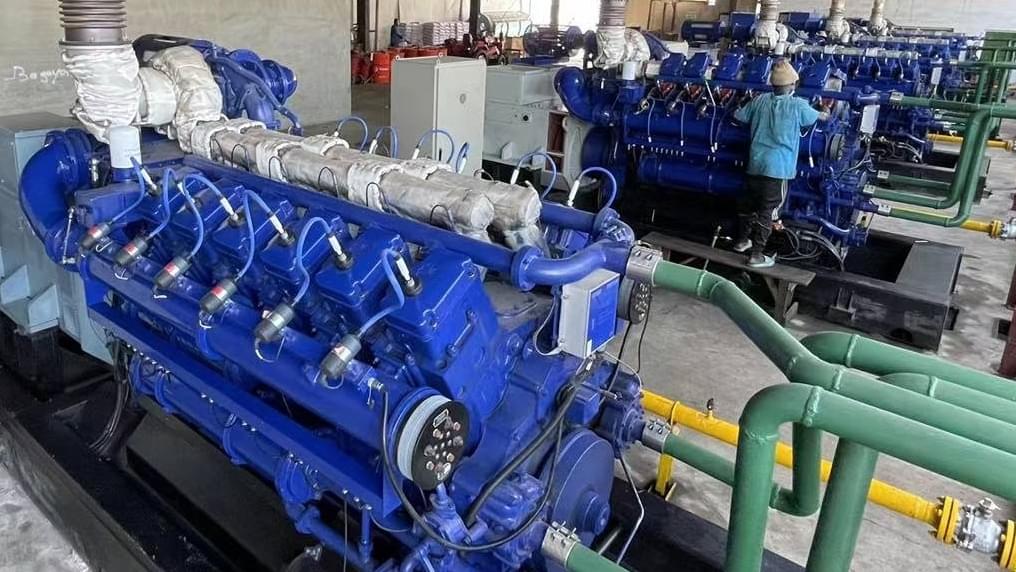
這里必須跟大家強調一點,高氫煉化尾氣發電機組的氫氣泄漏報警,絕對不能省略,就像鉛酸蓄電池必須裝氫氣濃度報警器一樣,這是底線要求[1]。而且報警器的安裝位置也有講究,要裝在氫氣容易積聚的地方,比如發電機組的頂部、管道接口附近,還要定期校準,避免設備老化導致閾值漂移、誤報警或不報警,畢竟報警器失靈,再合理的閾值也沒用。
It must be emphasized here that the hydrogen leakage alarm of high hydrogen refining tail gas generator units cannot be omitted, just like lead-acid batteries must be equipped with hydrogen concentration alarms, which is a bottom line requirement [1]. Moreover, the installation location of the alarm also has its own requirements. It should be installed in a place where hydrogen gas is prone to accumulate, such as the top of the generator set or near the pipeline interface. Regular calibration is also necessary to avoid threshold drift, false alarms or no alarms caused by equipment aging. After all, if the alarm fails, even the most reasonable threshold is useless.
還有很多朋友會問,不同廠家的發電機組,閾值能不能不一樣?其實常規情況下,低報0.8%-1.0%、高報1.6%-2.0%是通用標準,適合大多數高氫煉化尾氣發電機組。如果現場通風條件特別好,或者氫氣泄漏風險相對較低,可在專業人員指導下微調,但絕對不能高于2.0%;如果是密閉空間、泄漏風險高的場景,建議適當降低閾值,確保安全冗余。
Many friends may ask, can the threshold be different for generator sets from different manufacturers? In fact, under normal circumstances, a low report of 0.8% -1.0% and a high report of 1.6% -2.0% are universal standards that are suitable for most high hydrogen refining tail gas power generation units. If the ventilation conditions on site are particularly good or the risk of hydrogen leakage is relatively low, it can be fine tuned under the guidance of professionals, but it must not exceed 2.0%; If it is a confined space with high leakage risk, it is recommended to lower the threshold appropriately to ensure safety redundancy.
最后再跟大家總結一句,高氫煉化尾氣發電機組的氫氣泄漏報警閾值,核心是“提前預警、預留處置時間”,不是卡在爆炸限上投機取巧。記住這個標準:低報0.8%-1.0%、高報1.6%-2.0%,裝好用好氫氣濃度報警器,定期校準、及時排查,才能避免氫氣泄漏引發的爆炸風險。
Finally, to summarize with everyone, the hydrogen leakage alarm threshold of high hydrogen refining tail gas generators is based on "early warning and reserved disposal time", rather than being stuck at the explosion limit and taking shortcuts. Remember this standard: low report 0.8% -1.0%, high report 1.6% -2.0%. Install and use hydrogen concentration alarms properly, regularly calibrate and promptly troubleshoot to avoid the risk of explosion caused by hydrogen leakage.
做煉化行業,安全永遠是第一位的,多花點心思搞懂報警閾值,提前做好防范,比事后補救強一萬倍。希望今天的分享,能幫到做高氫煉化尾氣發電機組相關工作的朋友們,再也不用為報警閾值發愁,守住安全底線,才能守住生產線、守住家人的牽掛。
In the refining and chemical industry, safety is always the first priority. Spend more time to understand the alarm threshold and take precautions in advance, which is 10000 times better than remedial measures afterwards. I hope today's sharing can help friends who are working on high hydrogen refining tail gas power generation units no longer have to worry about alarm thresholds. Only by guarding the safety bottom line can we protect the production line and the concerns of our families.

掃一掃了解更多

掃一掃了解更多